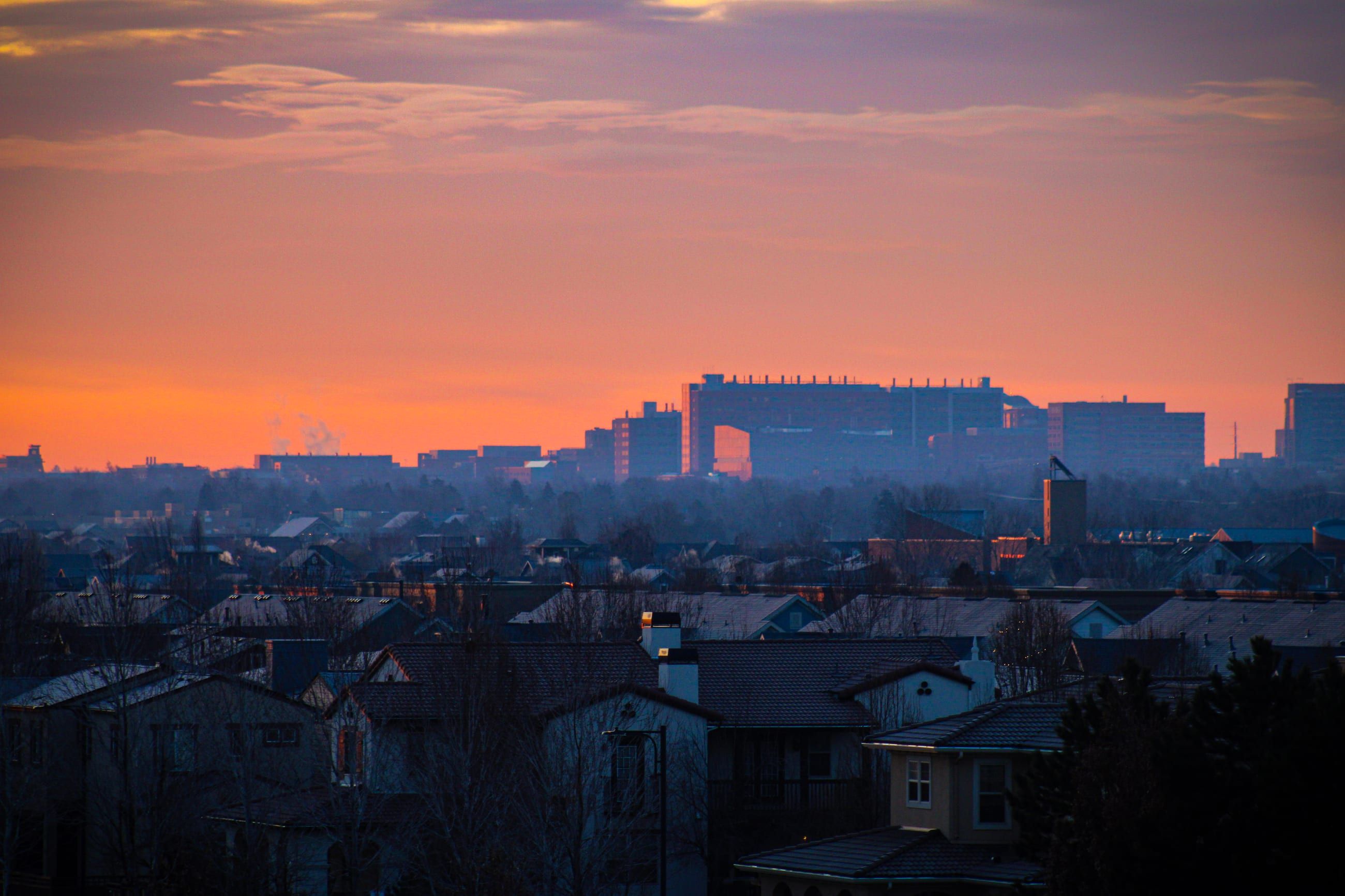
Tall hospital and laboratory buildings standing dark against an orange dawn sky, with the pitched roofs, chimneys and bare trees of a neighborhood in front

Chimney sweeping, inspection and repair for homes across Aurora.

Colorado's third most populous city, spread over the plains east of Denver, where the typical house went up in 1985.

  • Use the formIt takes requests at any hour
  • We phone youTo pick a day together
  • Based in AuroraArapahoe, Adams and Douglas

Photo: Nolabob, CC BY-SA 4.0

Six parts, from cap to firebox, and what a year in Aurora does to each of them.

Pick a part to see what we check there and how hail, freezing nights and summer sun act on it, out on the plains east of Denver.

Begin at the cap
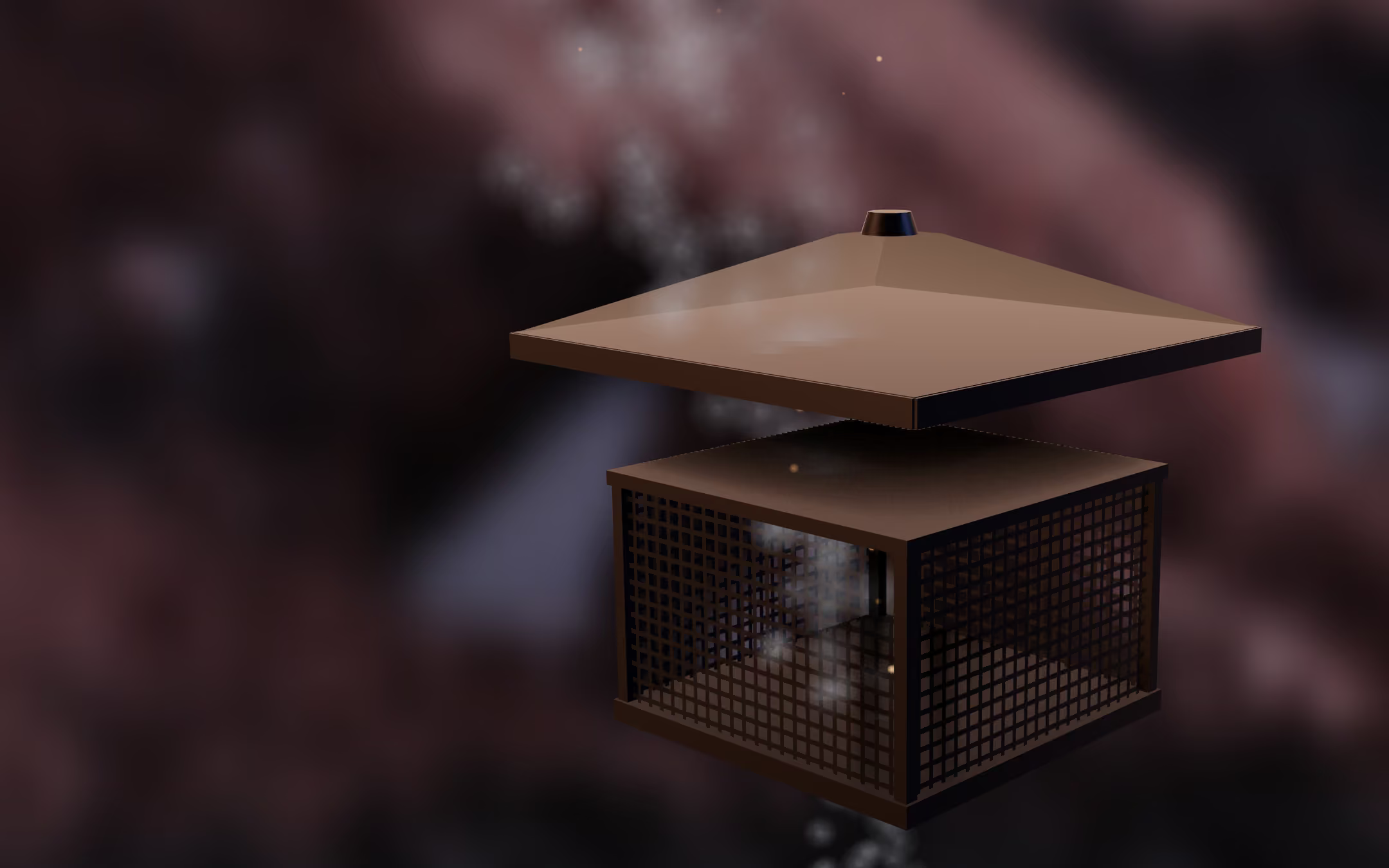
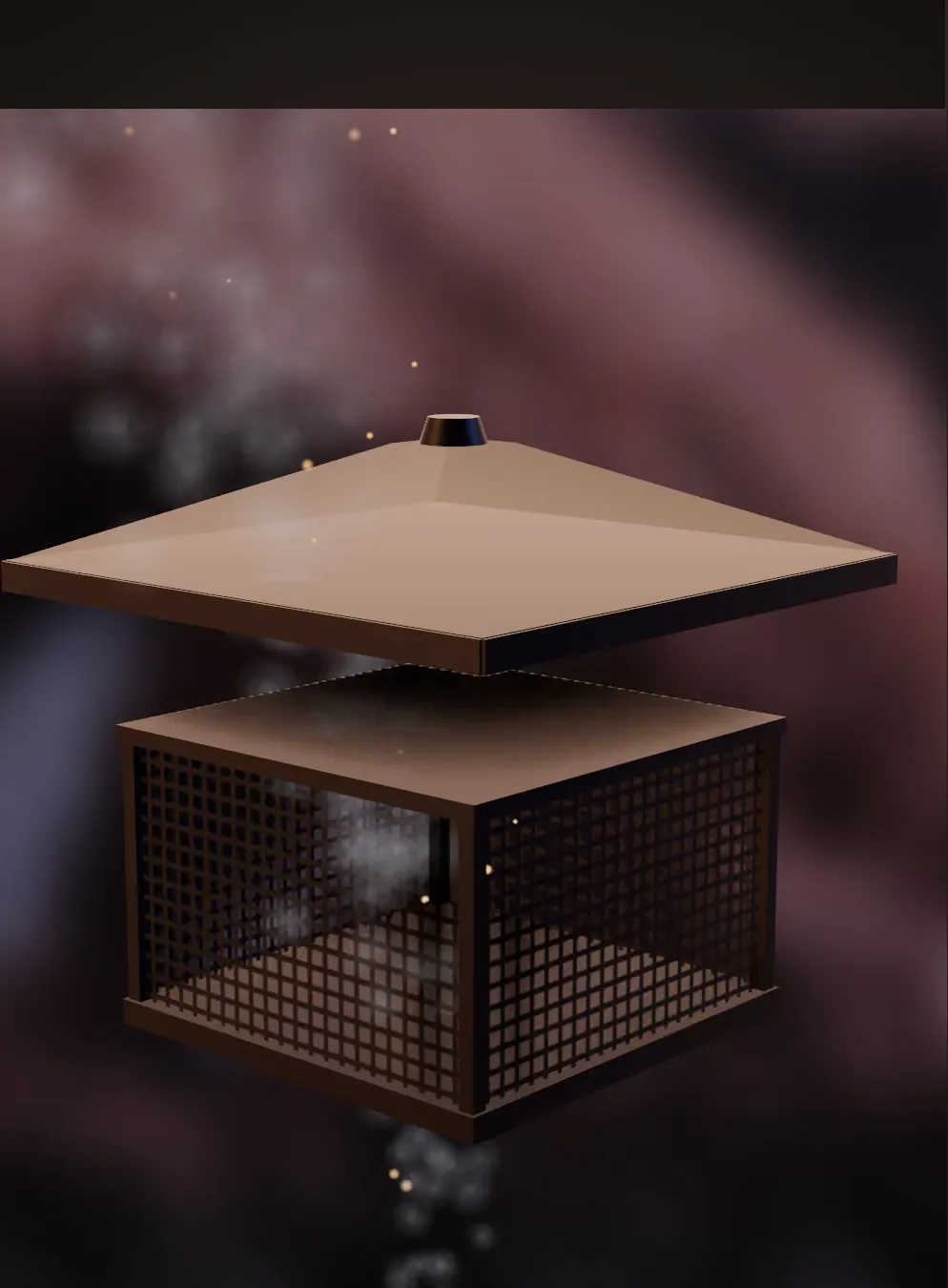
  1. An illustration of a chimney cap, a screened box under a lifted roof
    Illustration

    1Top of the stack

    Cap

    Hail, wind and the first snow of the season all arrive at the cap. Its lid turns away rain and nesting birds, and its screen keeps sparks from leaving the flue.

    What we check: hail dents, a screen that has come loose, rust on the lid or on its screws.

    Next: Crown
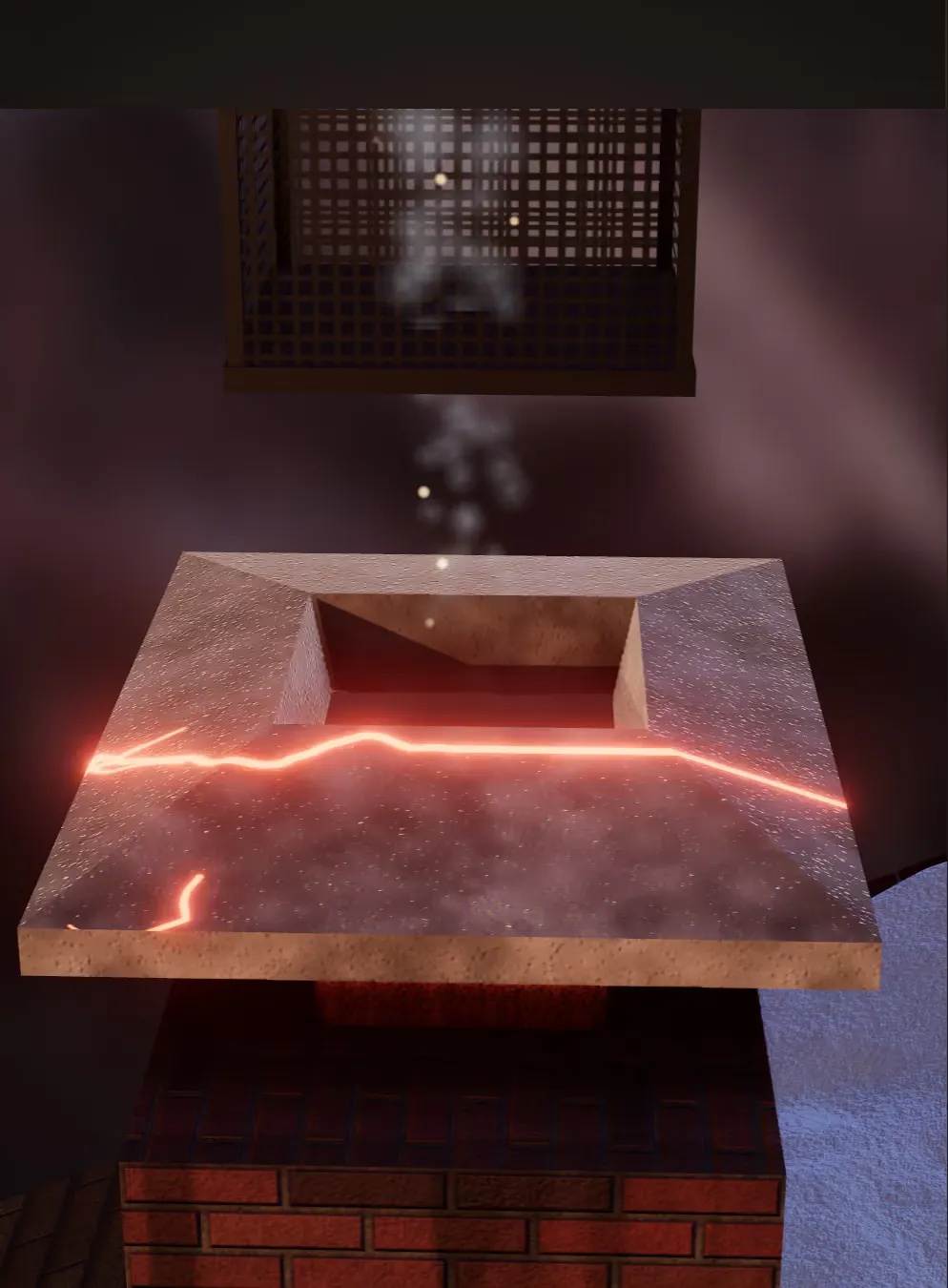
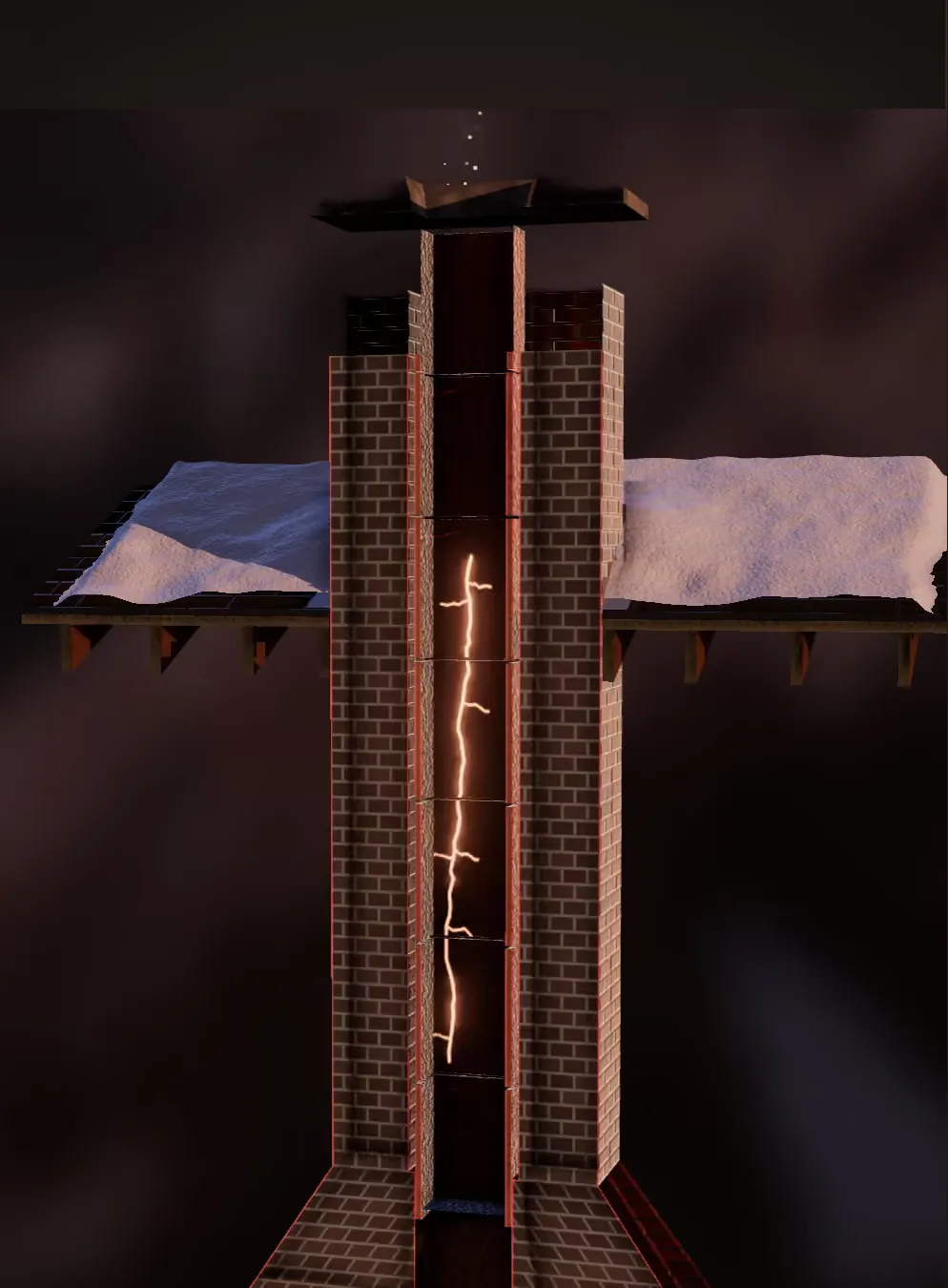
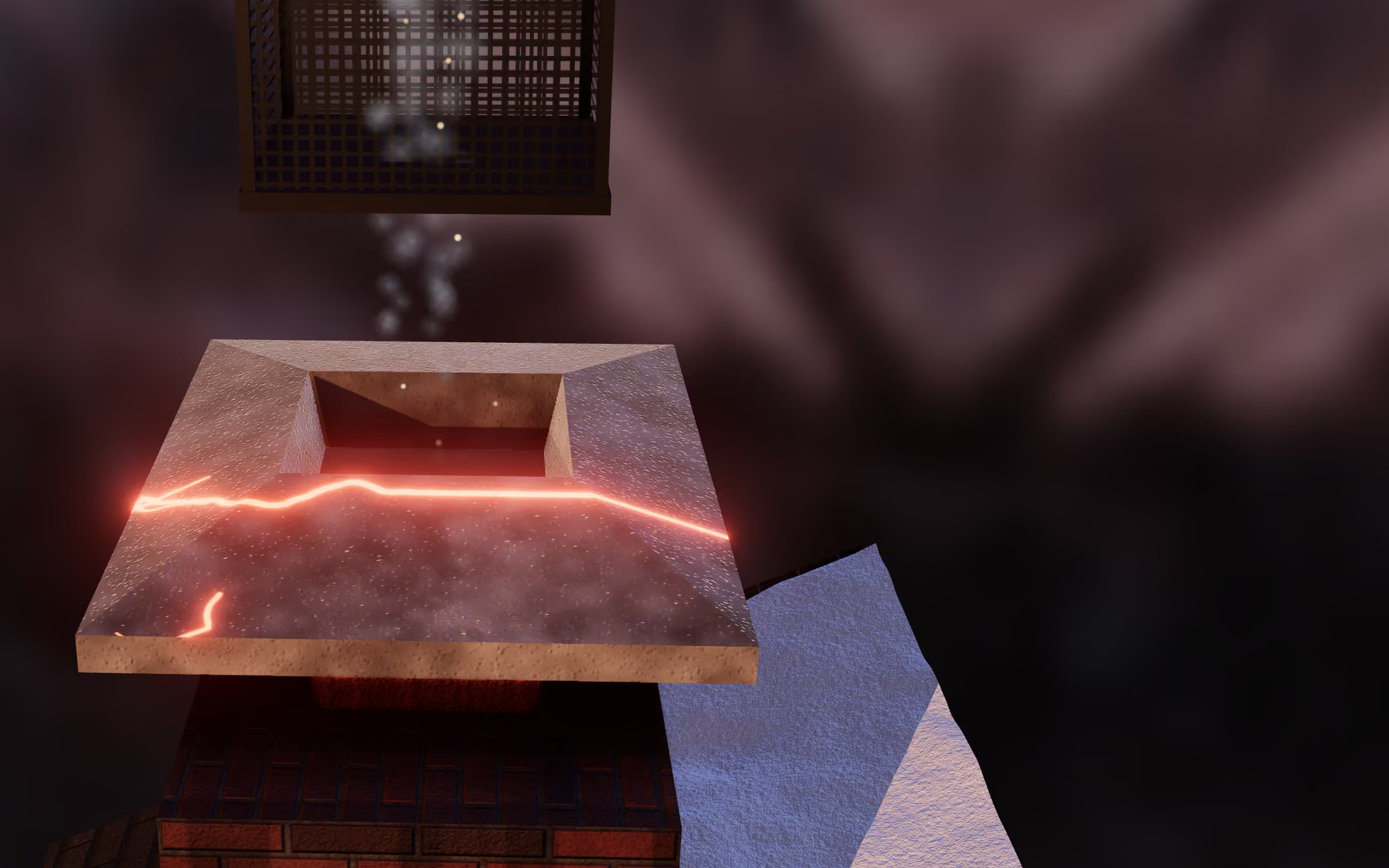
  2. An illustration of a concrete chimney crown with a glowing crack across it
    Illustration

    2Beneath the cap

    Crown

    Rain and melt should run off the crown instead of into it. At the Cherry Creek Dam station a normal January day climbs from 16.9°F to 47.3°F, so water that slips into a crack at noon can be ice again by dawn.

    What we check: hairline cracks, chipped corners, a slab separating from the tile below.

    Next: Flashing
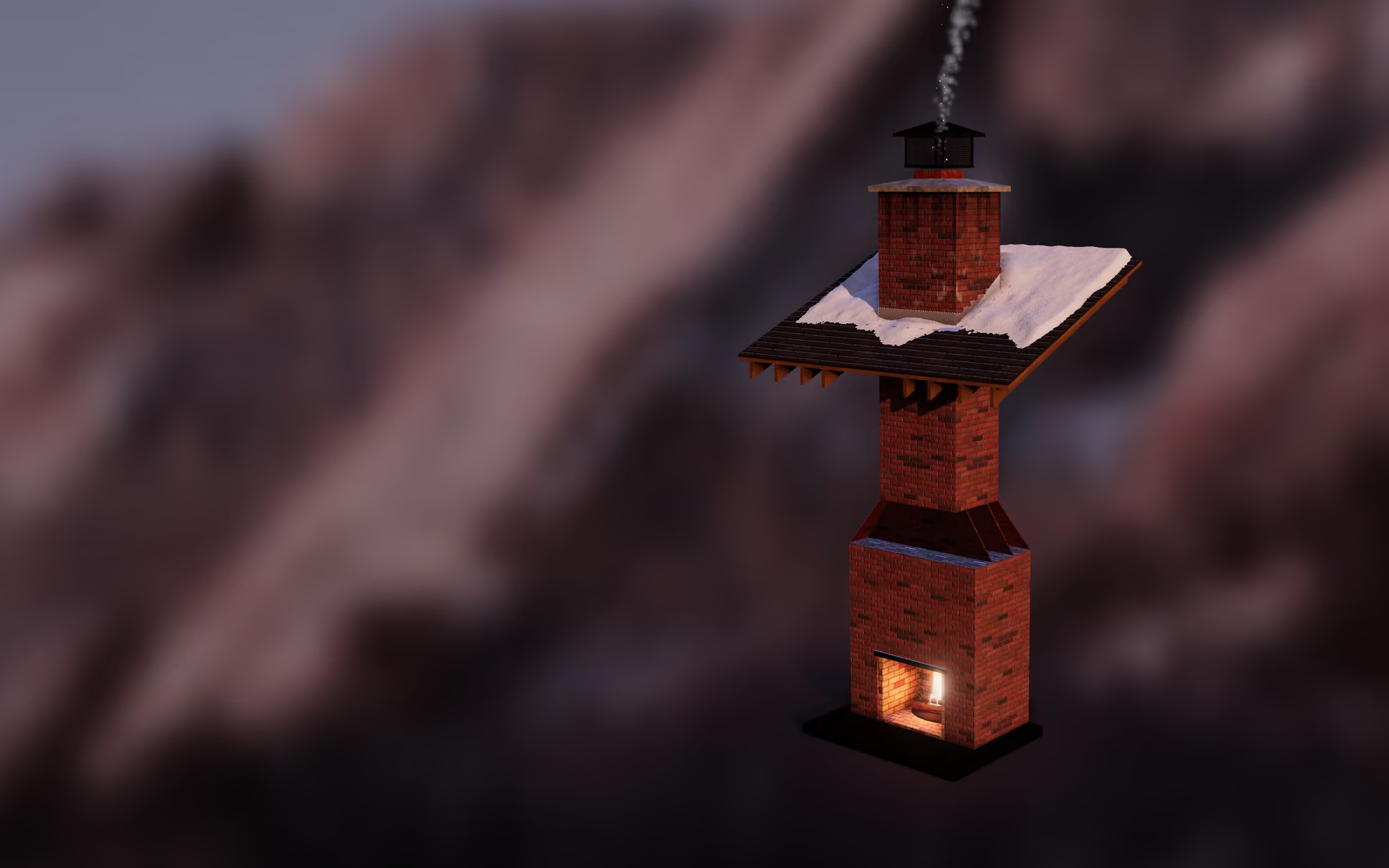
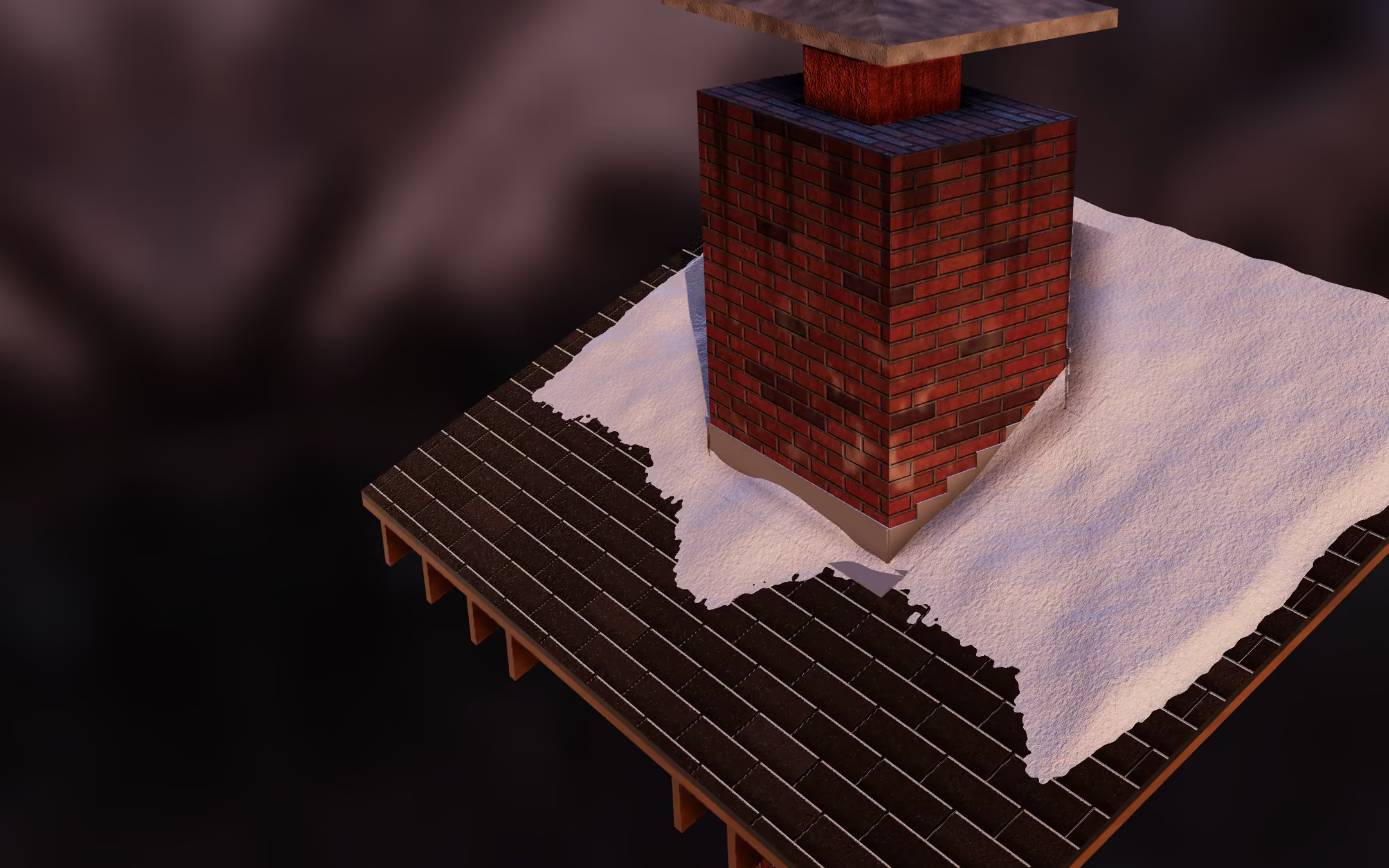
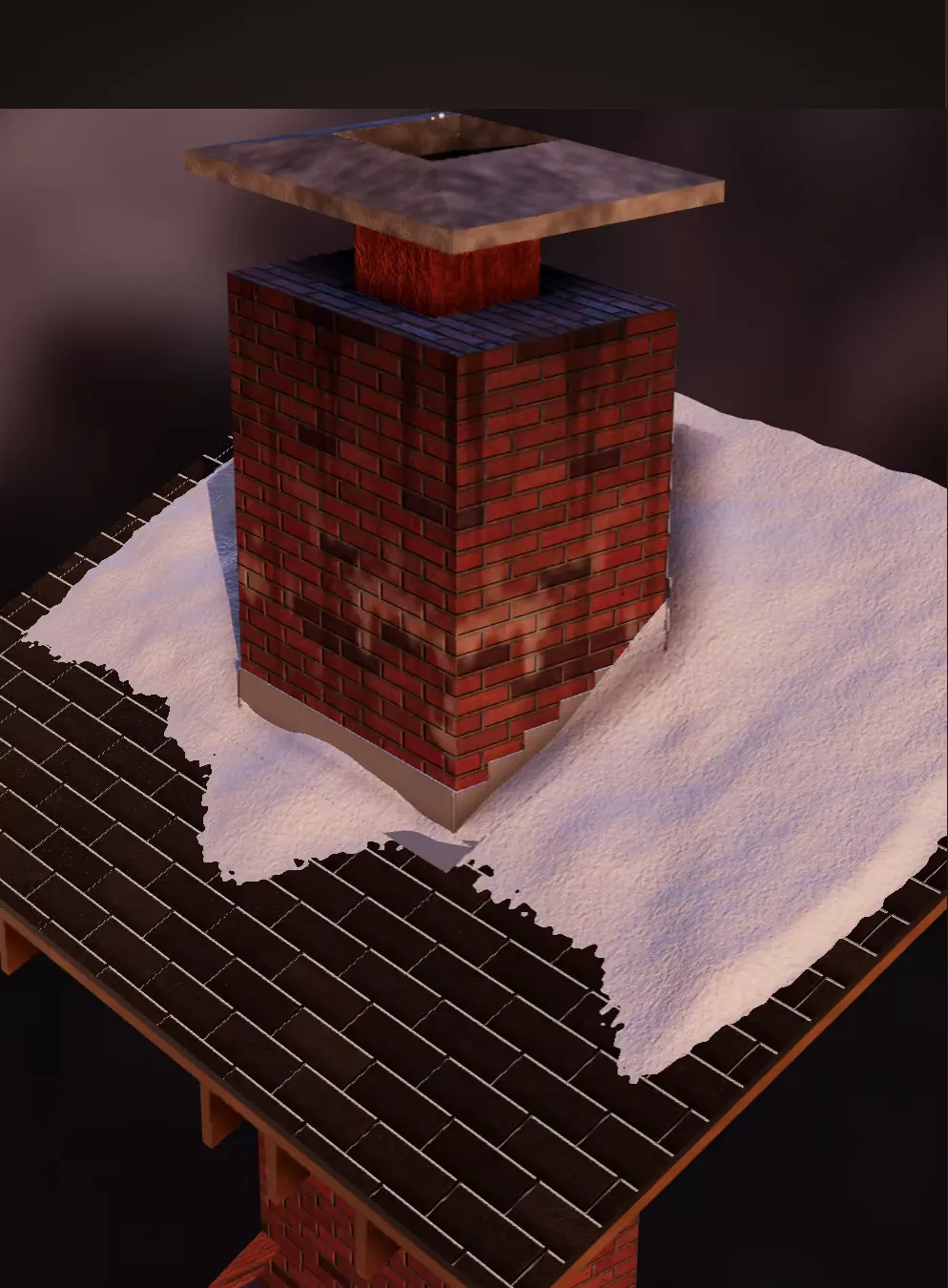
  3. An illustration of the chimney where it meets a snow-covered roof
    Illustration

    3Where stack meets roof

    Flashing

    A metal collar seals the joint between the chimney and the shingles. When an edge lifts or the sealant shrinks in the summer sun, melting snow can run in behind the brick, and the first sign is often a stain on a ceiling.

    What we check: an edge standing proud, split sealant, rust streaks, a stain on a ceiling or an attic wall.

    Next: Flue liner
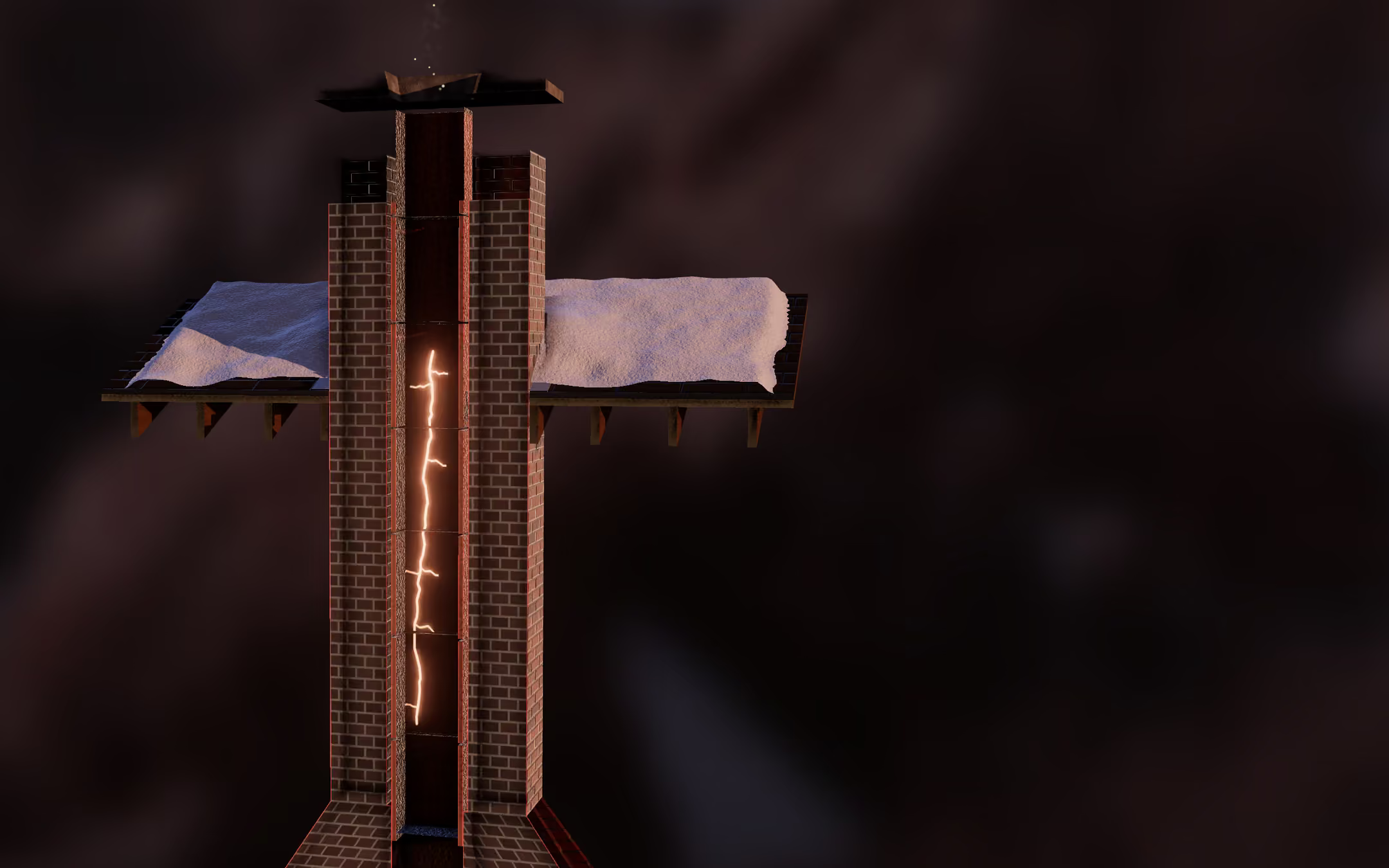
  4. An illustration of a chimney cut open to show the flue liner inside
    Illustration

    4Within the walls

    Flue liner

    Hidden inside the masonry, the liner carries smoke out of the house. The typical home in Aurora went up in 1985, and the 1980s are the city's largest building decade, with 36,466 of its 152,377 homes, so many flues have more than forty years of use.

    What we check: rusted-through seams, cracked or shifted tiles, a liner that is the wrong type for what is connected to it.

    Next: Smoke chamber
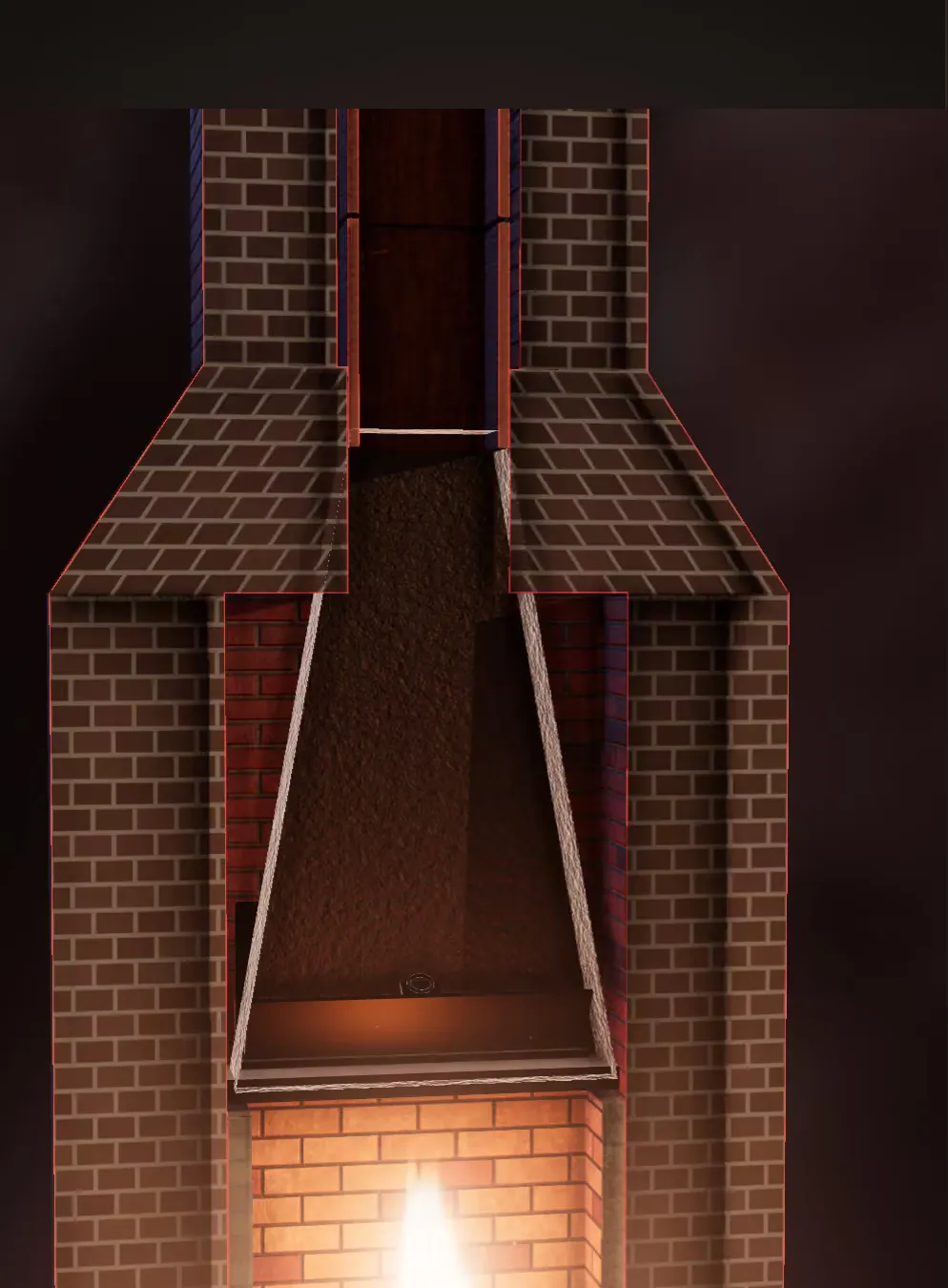
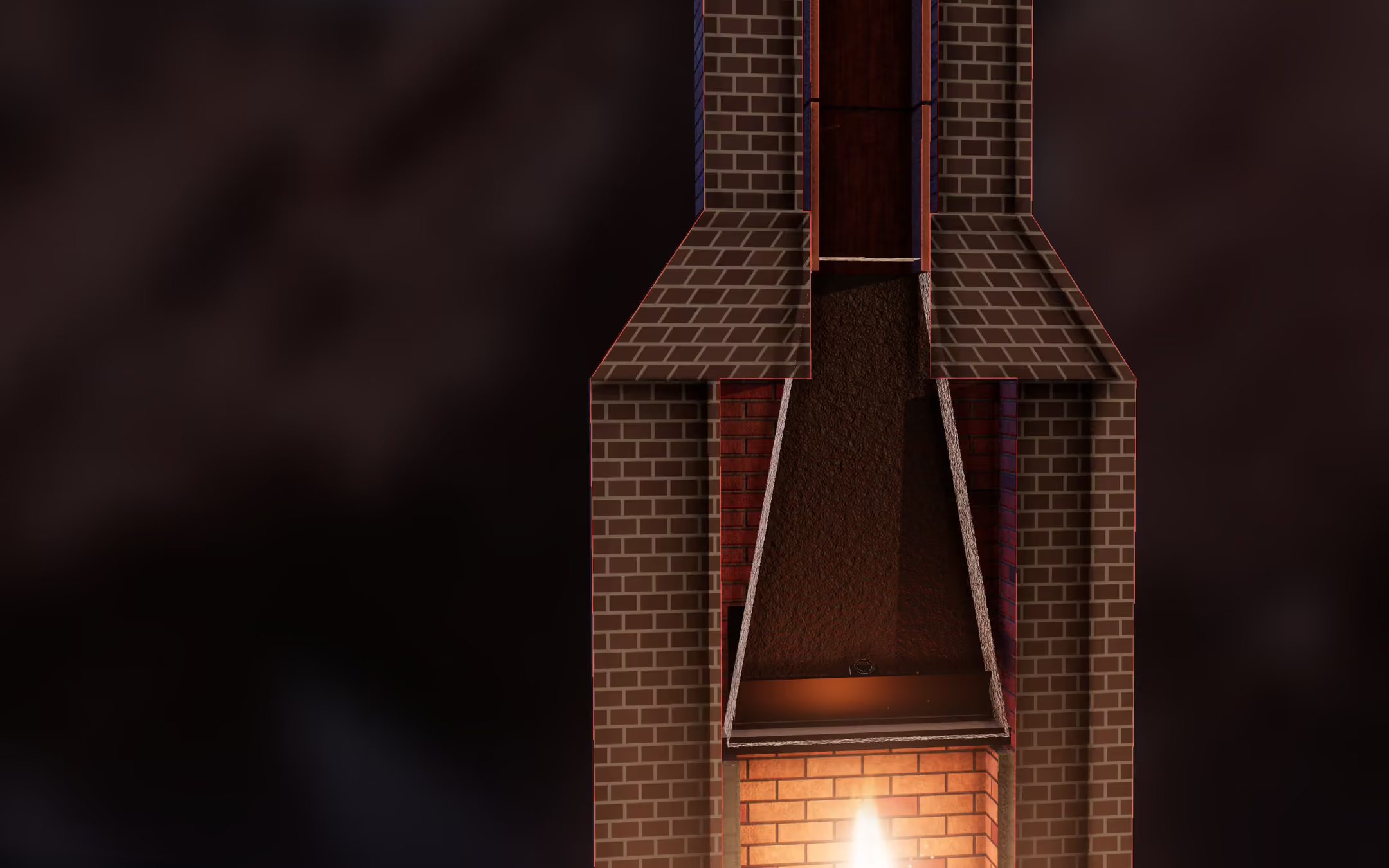
  5. An illustration of the smoke chamber above a fireplace opening
    Illustration

    5Over the damper

    Smoke chamber and damper

    Right over the damper is a ledge of masonry where soot and creosote settle first. Burning every night fills it fast, burning now and then fills it slowly, and a damper left open lets heated room air drain up the flue.

    What we check: a shiny or tar-like coat, a damper that fails to close fully, a ledge that flakes or tilts.

    Next: Firebox
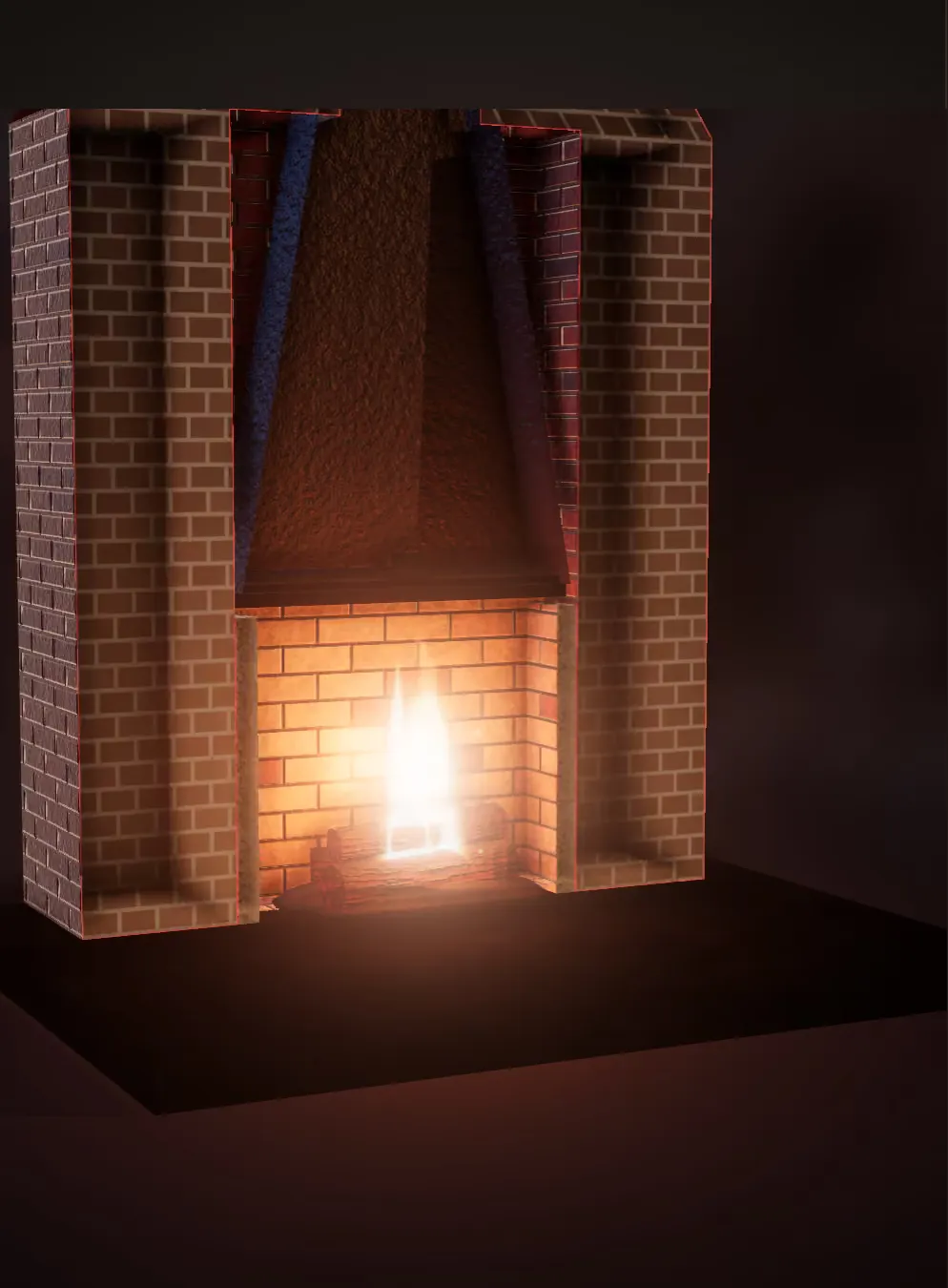
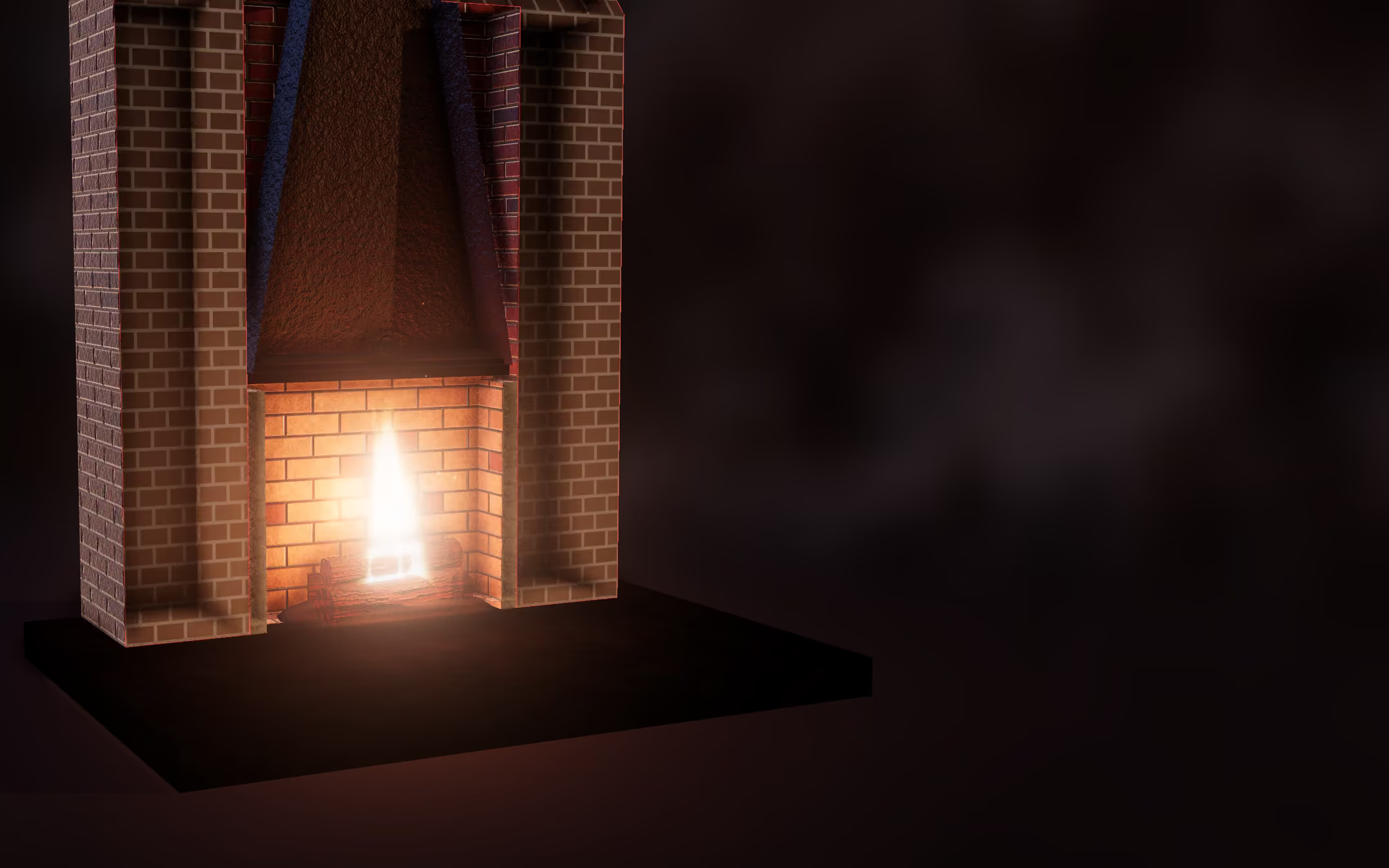
  6. An illustration of a firebox with a fire burning
    Illustration

    6At the hearth

    Firebox

    Every fire presses its heat into the firebox walls. With time the firebrick cracks and the mortar joints open. A hairline gap is cheap to close, but one that has already passed heat to the framing behind it is not.

    What we check: open mortar joints, flaking or split firebrick, a hearth that is loose or uneven.

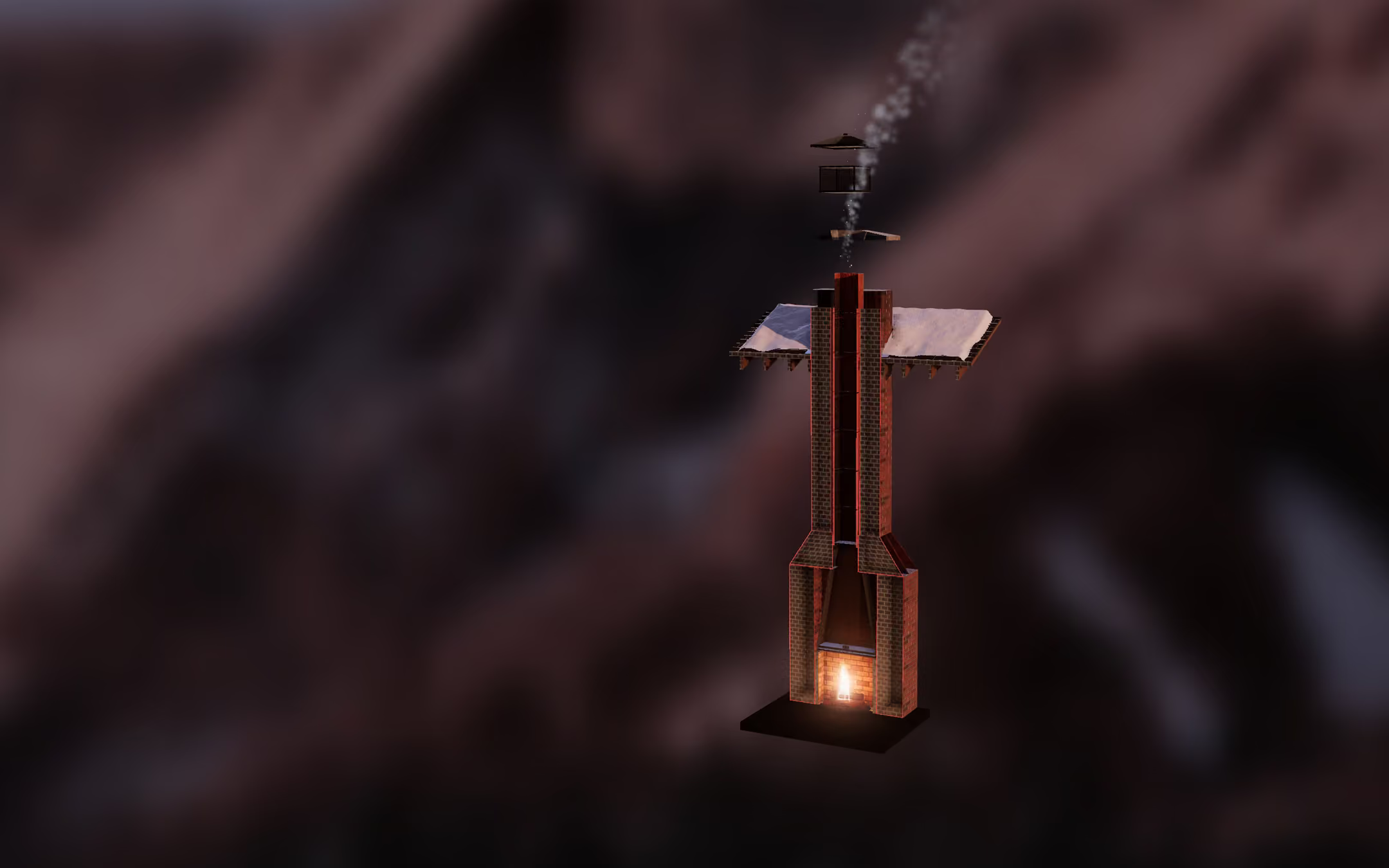
    See the whole stack

What we look after, from the roof down to the hearth.

  1. An illustration of the smoke chamber above a fireplace opening, where creosote builds up
    Illustration

    Brushes pull the soot and creosote off the walls of the flue, the smoke ledge and the firebox floor, and we carry away whatever comes down. A cleaner flue draws better and leaves a stray spark less to land on.

    • Flue brushed from damper up to cap
    • Smoke ledge and firebox floor cleared
    • Findings explained in plain language
    What a sweep involves
    Book a sweep
  2. An illustration of a chimney cut open to show the flue liner inside
    Illustration

    A methodical look at every part from the cap to the firebox: once a year, after a storm or a chimney fire, and whenever a house is bought or sold, which NFPA 211 counts as a Level 2 occasion.

    • The roof-level parts: cap, crown, flashing
    • The whole flue, top to bottom
    • Every problem named in plain words
    Inside an inspection
    Book an inspection
  3. An illustration of a concrete chimney crown with a glowing crack across it
    Illustration

    The usual jobs are worn mortar, split firebrick, dented caps, cracked crowns and flashing past its best. Small damage dealt with in autumn costs less than the same damage after a winter of freezing and thawing.

    • Crowns sealed or recast
    • Caps and screens replaced
    • Flashing resealed and joints repointed
    How repairs go
    Book a repair
  4. An illustration of a firebox with a fire burning
    Illustration

    Meant for a fireplace or stove used only from time to time. Ash and soot are lifted out of the firebox and from the ledge above it, the stove pipe is brushed, and the damper is worked through its whole range.

    • Firebox and ledge cleared out
    • Stove, insert and connector pipe
    • Damper checked open and shut
    Stoves and fireplaces
    Book a cleaning

How the weather wears on an Aurora chimney.

Three kinds of weather on the plains east of Denver, and why a small fault is cheaper to fix early.

  1. 01 / 03

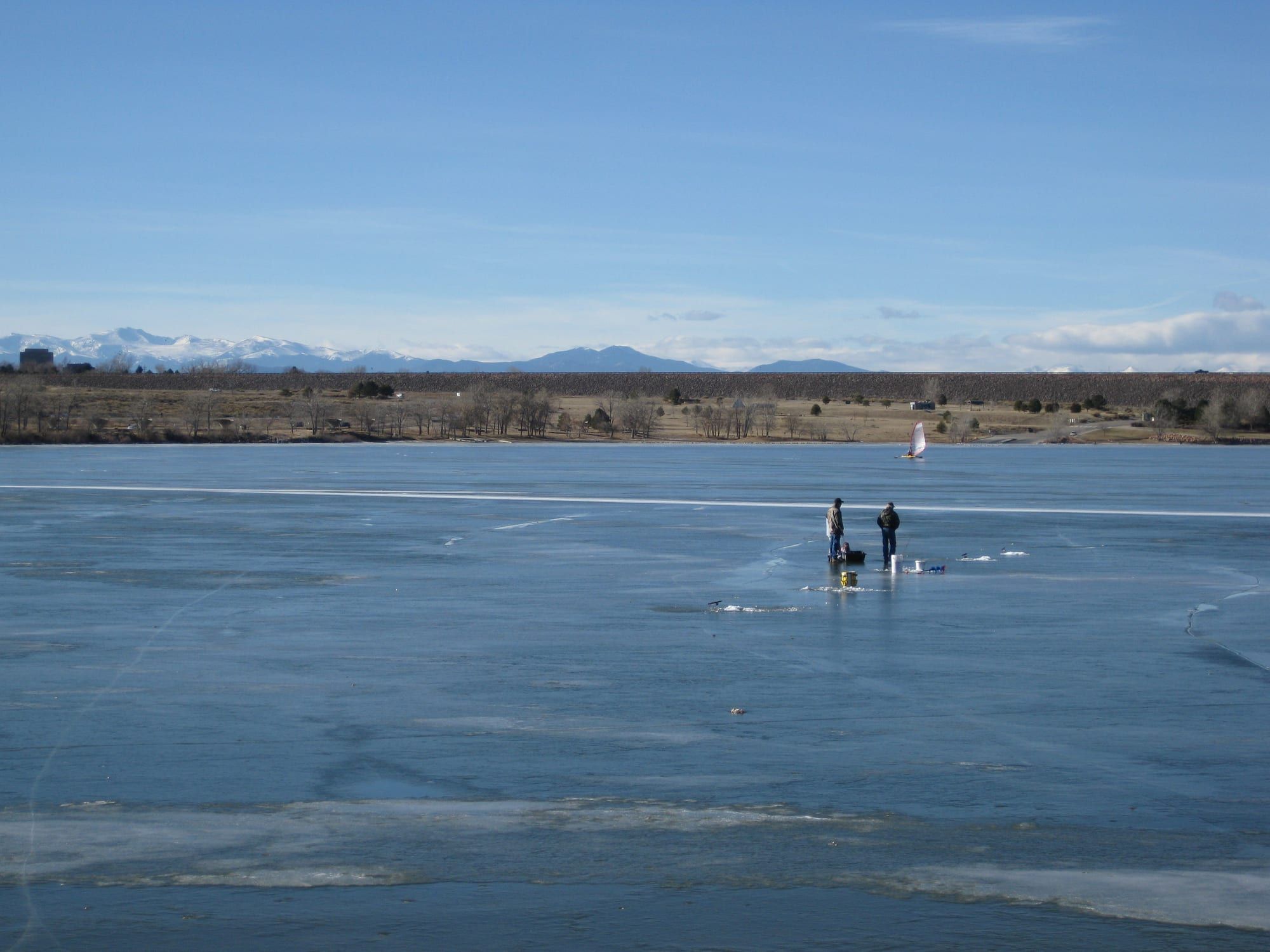
    172.0. Nights a year that reach freezing

    NOAA's 1991 to 2020 normals for the Cherry Creek Dam station, less than half a mile from the Aurora city line, show a low of 32°F or colder on 172.0 nights in a typical year, 30.3 of them in January. A normal January day runs from 16.9°F to 47.3°F, and December's from 16.8°F to 47.4°F. Water that seeps into a crack during the afternoon thaw is ice again by morning, and a hairline crack spotted in the fall can have widened by the following spring.

    Source: NOAA normals of 1991 to 2020 for station USC00051547 (Cherry Creek Dam)

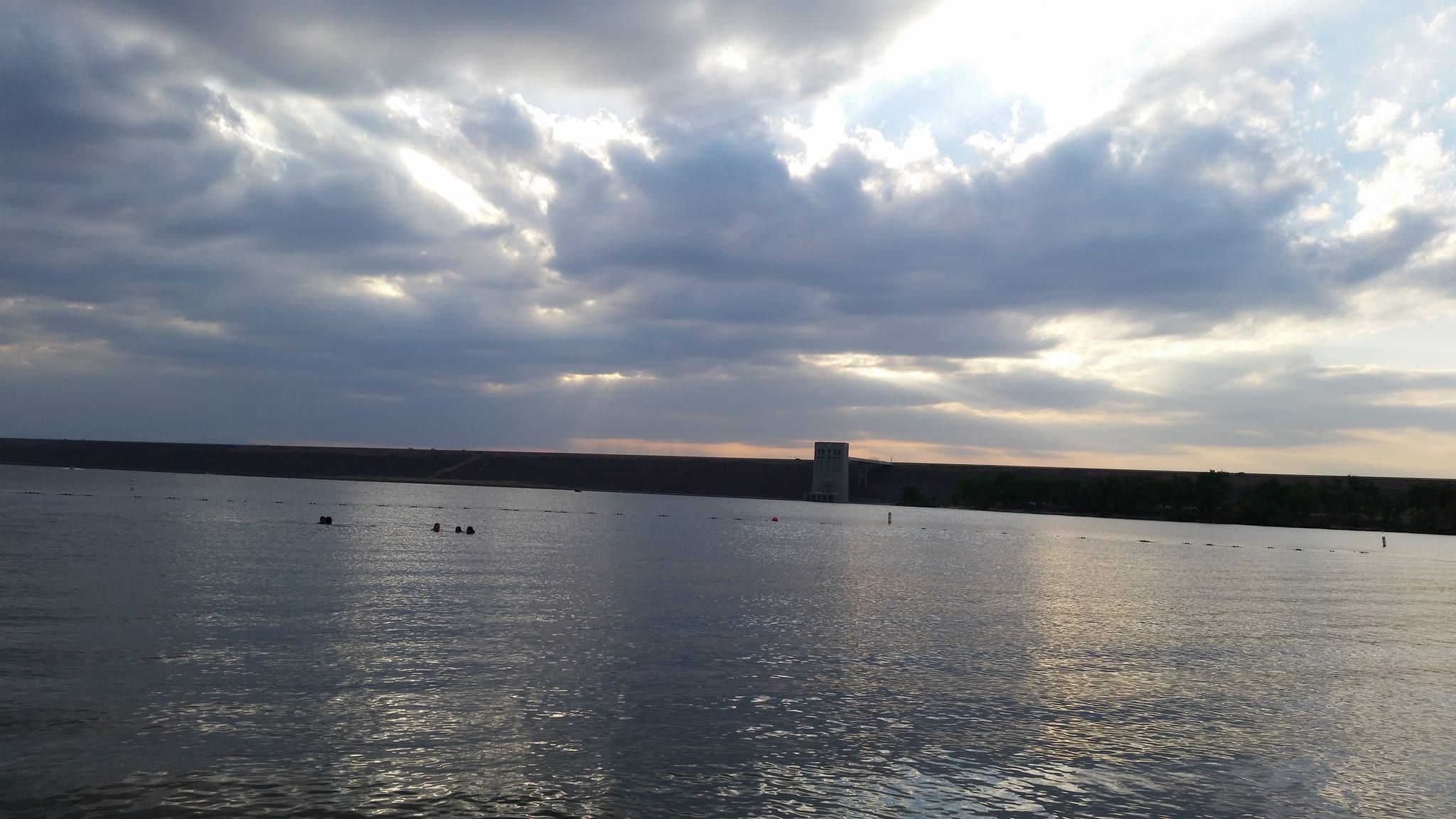
    Photo: Zenhaus, CC BY-SA 3.0

    Photo: Zenhaus, CC BY-SA 3.0

  2. 02 / 03

    3 in. Hail logged at Aurora on June 7, 2009

    NOAA's Storm Events Database lists hail 3 inches across at Aurora on June 7, 2009, the largest stone among its Aurora entries. Hail of an inch or more is logged under an Aurora location on 18 different days between 2010 and 2025, every one of them in May, June or July. The cap and the crown take that beating first, so after a hailstorm we look for dented lids, loosened screens and chipped crown corners.

    Source: NOAA NCEI, Storm Events Database (Aurora hail entries since 1994)

    Photo: Wikigringo, public domain

    Photo: Wikigringo, public domain

  3. 03 / 03

    46.6. Days a year at 90°F or hotter

    The Cherry Creek Dam normals count 46.6 days a year with a high of 90°F or more, and 3.6 days at 100°F or more. Summer sun like that bakes roof sealant and dries out the caulk around flashing, and a joint that has shrunk away is where the first autumn rain gets in. On dry plains grass a stray spark can start a fire as easily as it can on a shingle, which is why the cap has a screen; the model residential code (section R1003.9.2) limits its openings to 1/2 inch.

    Source: NOAA normals of 1991 to 2020 for station USC00051547 (Cherry Creek Dam); IRC R1003.9.2

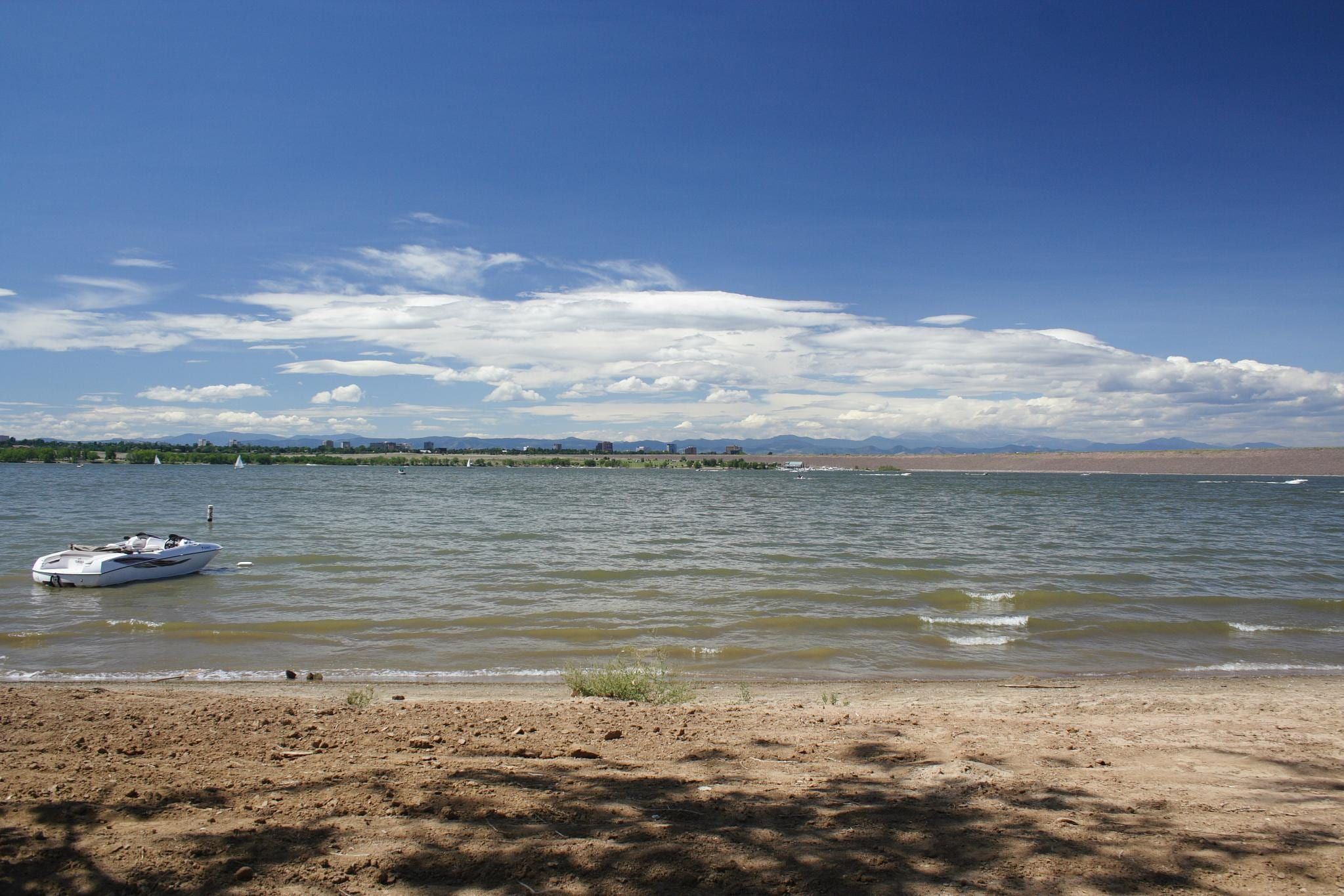
    Photo: Michael, CC BY 2.0

    Photo: Michael, CC BY 2.0

Aurora, from Stanley Marketplace to Aurora Reservoir.

We are based in Aurora, Colorado's third most populous city, which reaches across Arapahoe, Adams and Douglas counties on the plains east of Denver. It counted 11,421 people in 1950 and 386,261 at the 2020 census. The map below draws today's city limits with eight named places inside them: and the in the northwest, the to the west of the middle, and the near the middle, to the southwest, and and down in the far south.

Unsure whether your address is inside the line? Call (983) 213-4946 and we will confirm it.

City of AuroraContours at 100 ft intervals

Relief from AWS Terrain Tiles; city limits from the Census Bureau's TIGERweb; names and positions of places from OpenStreetMap contributors.

  • Aurora
  • Anschutz Medical Campus
  • Stanley Marketplace
  • Aurora Municipal Center
  • Buckley Space Force Base
  • Plains Conservation Center
  • Quincy Reservoir
  • Aurora Reservoir
  • Southlands
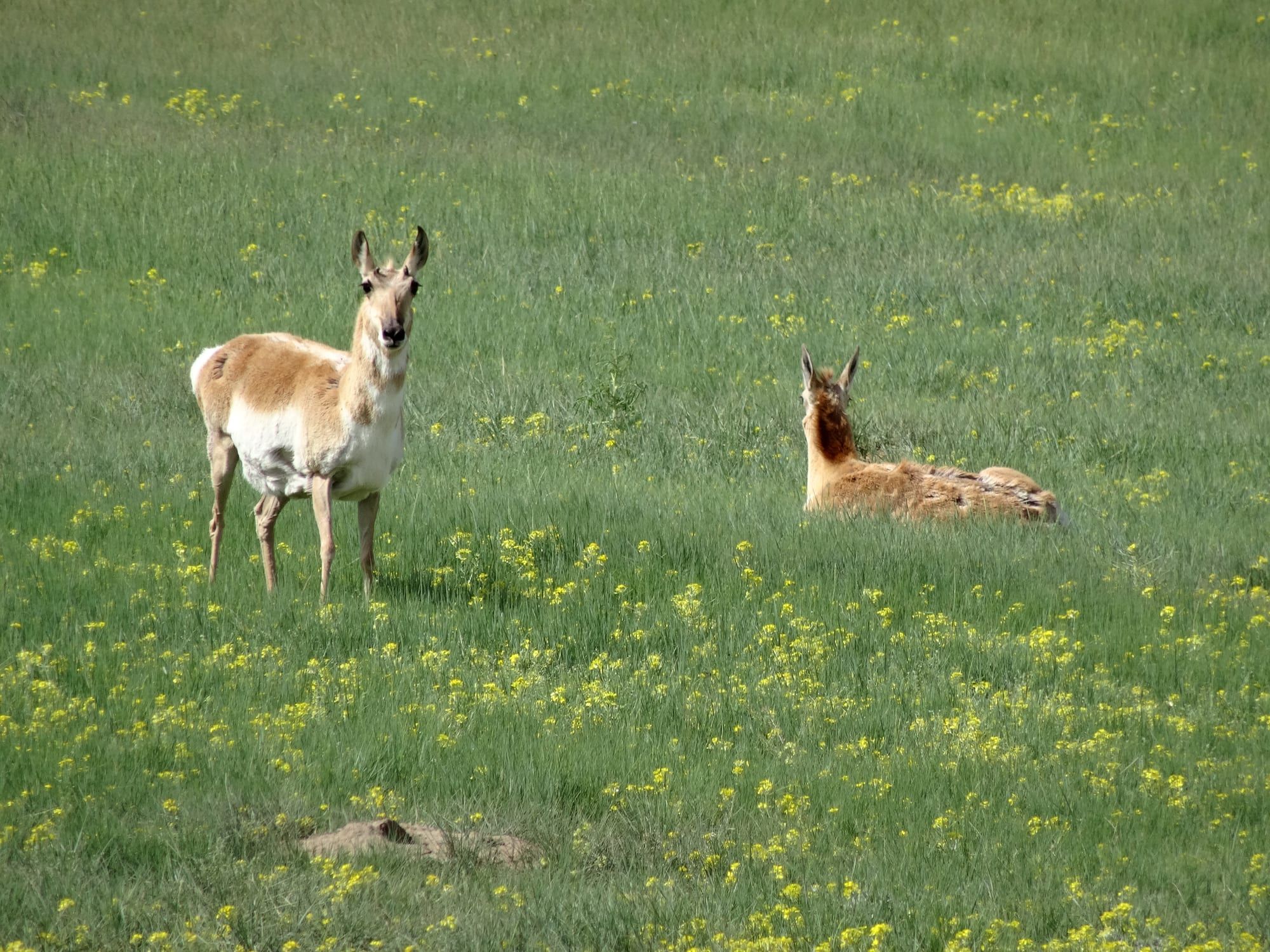
Two pronghorn in tall green grass dotted with yellow wildflowers, one standing and one lying down

Photo: Zenhaus, CC BY-SA 3.0

What Aurora homeowners ask.

Short answers, with the source beside each figure.

How often does a chimney need sweeping?

How you burn counts for more than the date on the calendar. NFPA 211 recommends an inspection once a year, and a heavy coat found at that visit is what calls for a sweep. In the Census Bureau's 2020 to 2024 estimates, 90,310 of Aurora's 145,310 occupied homes rely on utility gas as their main heat and just 197 on wood (margin of error 116), so in many households a fireplace is for the odd cold evening.

Source: American Community Survey five-year estimates, 2020 to 2024 (Census Bureau table B25040); NFPA 211

Is a chimney check worth it when a house changes hands?

Yes. At a sale or transfer NFPA 211 asks for a Level 2 inspection, which reaches past what a hand can touch: the attic, the crawl space and a camera's view of the inside of the flue. Aurora's houses come from every era. The Census Bureau's estimates count 36,466 from the 1980s, 35,477 from the 1970s and 22,087 from 2000 to 2009, so one neighbor's chimney can have little in common with the next.

Source: American Community Survey five-year estimates, 2020 to 2024 (Census Bureau table B25034); NFPA 211

Should I have the roof-level parts checked after hail?

It is a sound idea. Hail dents caps and screens and can chip the corners of a crown, and NOAA's Storm Events Database lists hail of an inch or more under an Aurora location on 18 days from 2010 through 2025. Damage that is small and visible in June is cheaper to deal with than the same damage after a freezing winter.

Source: NOAA NCEI, Storm Events Database

What does a chimney crown do?

The crown is the slab that caps the masonry. It sheds rain and melt sideways, away from brick and flue. A normal January day at the Cherry Creek Dam station swings from 16.9°F to 47.3°F, so water that settles in a crack at noon can freeze by dawn and force it open.

Source: NOAA normals of 1991 to 2020 for station USC00051547 (Cherry Creek Dam)

Does every chimney need a cap?

Nearly always. A cap keeps out rain, snow, birds and squirrels, while its screen holds sparks in; under the model residential code (IRC R1003.9.2) the screen openings may be no wider than 1/2 inch. The City of Aurora can tell you which rules it enforces.

Source: Model residential code, IRC section R1003.9.2

Is my address inside your area?

We are based in Aurora. If you are not sure that an address lies within it, for example near the Anschutz campus or out toward Aurora Reservoir, phone (983) 213-4946 and we will tell you.

How do I arrange a visit?

Phone (983) 213-4946, or complete the form further down; it is open at all hours. Someone rings back to settle on a time.

Describe what you have noticed.

Write a few lines on the form, or phone us. Someone calls back so that we can choose a day together.

  1. 1Your request reaches us By phone, or as a few lines on the form.
  2. 2We ring you back We talk it over and choose a day that suits you.
  3. 3The visit, roof to hearth We work down the stack, one part after another.
  4. 4The decision is yours We describe what we saw, and you decide what comes next.

Phone

Ring the office and say what you need.

(983) 213-4946

Online form

Open at any hour, day or night

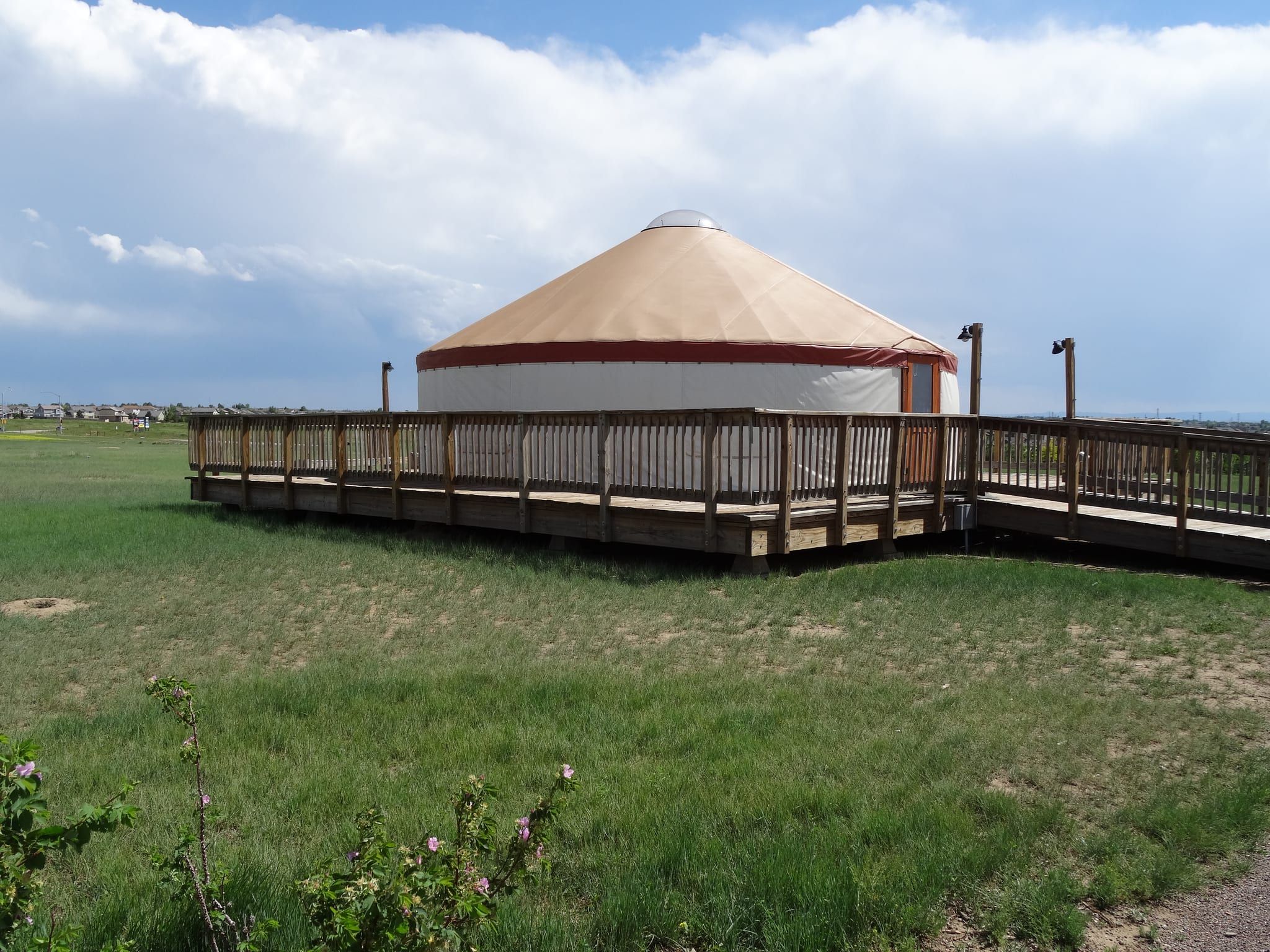
Photo: Plains Conservation Center, Colorado 02, Zenhaus, CC BY-SA 3.0

What is it about?

Which service?

Your fireplace

What does it burn?

How we reach you

Best time for the call back

Back

First fire of the season coming up, or something on the roof bothering you? Get in touch.